

Black Stories: The Darker Side of Lateral Thinking
What makes a puzzle a Black Story, where the name comes from, and three dark mysteries to try if you have the stomach for it.
A man is found in a locked room, hanging from the ceiling. There's nothing else in the room except a puddle of water on the floor. Nobody entered or left. How?
That's the shape of it. You ask. The host says yes, no, or irrelevant. Twenty minutes later, you're still circling, and then someone asks a question that seems stupid, and the host says yes, and the room goes quiet because suddenly it all fits — and it's worse than anyone expected.
Black Stories — the name comes from a German card game released in 2004 — are lateral thinking puzzles that lean dark. Death, crime, accidents, revenge. The setup is usually a few sentences. The answer is almost never supernatural, but it always feels like it should be.
What makes a puzzle a "Black Story"
The line between a regular lateral thinking puzzle and a Black Story is mostly tone. If the setup involves a body, a crime, or something you'd hesitate to read out loud at a family dinner, it's probably a Black Story.
Structurally, they're the same game: one person knows the answer, everyone else asks yes/no questions. The difference is the payload. Regular puzzles might end with a clever misunderstanding. Black Stories tend to end with something that makes you say "oh, that's dark" before you say "oh, that's clever."
The original German card game — Black Stories by Holger Bösch — came in a small black box. Each card had a scenario on one side and the solution on the other. You'd read the scenario to friends and they'd interrogate you. The English edition followed a few years later. The format turned out to be perfect for parties: no board, no pieces, no setup, just a card and a group of people who like being disturbed.
How to approach them
The same lateral thinking rules apply, but Black Stories reward a specific kind of thinking:
Assume the worst. In a comedy puzzle, the twist is usually harmless. In a Black Story, if you're wondering "did someone die horribly," the answer is frequently yes.
Check what's missing. Locked rooms, impossible timing, missing objects — the absence of something is often the answer.
Don't rule out the mundane. The most disturbing Black Story solutions are often the most ordinary. Not ghosts, not serial killers — just a chain of completely normal decisions that happened to end in catastrophe.
Three to try, if you're up for it
The Door — difficulty 2, pure Black Story setup. Someone's trapped, someone's dead, and a door that wasn't locked turns out to be the key to everything. A good first Black Story because the answer is dark without being gratuitous.
Hand Chopper — difficulty 3, classic must-play. This one comes up in every "best Black Stories" thread. The setup is one sentence. The answer took me forty-five minutes and three wrong theories.
Forgery — difficulty 5. An artist, a collector, and a death that makes no sense until it does. This is the deep end. If you get through it without yelling at the host, you're better than I was.
Prefer to browse? The full Black Stories collection is categorized by difficulty. Or read where this whole genre came from — the origin story is stranger than most of the puzzles.
Playing alone vs. with people
Black Stories were designed for groups, and there's a reason. The moment when everyone in the room realizes the answer at the same time — that collective intake of breath — doesn't quite translate to solo play.
But solo has its own advantage: you can sit with a single puzzle for an hour without anyone getting bored. You can type increasingly desperate questions at 1am. The AI host doesn't flinch at "did he eat the hand."
Author

Categories
More Posts

Playing Lateral Thinking Puzzles Alone, at 1 AM, Against a Robot
Solo puzzle solving has a different rhythm than group play. No audience, no schedule, no one to impress — just you and an AI that never gets tired of your questions.

Lateral Thinking Puzzles with Kids: What Actually Works
Kids play these differently than adults — messier, more creative, and sometimes better. Here's what to expect and which puzzles to start with.
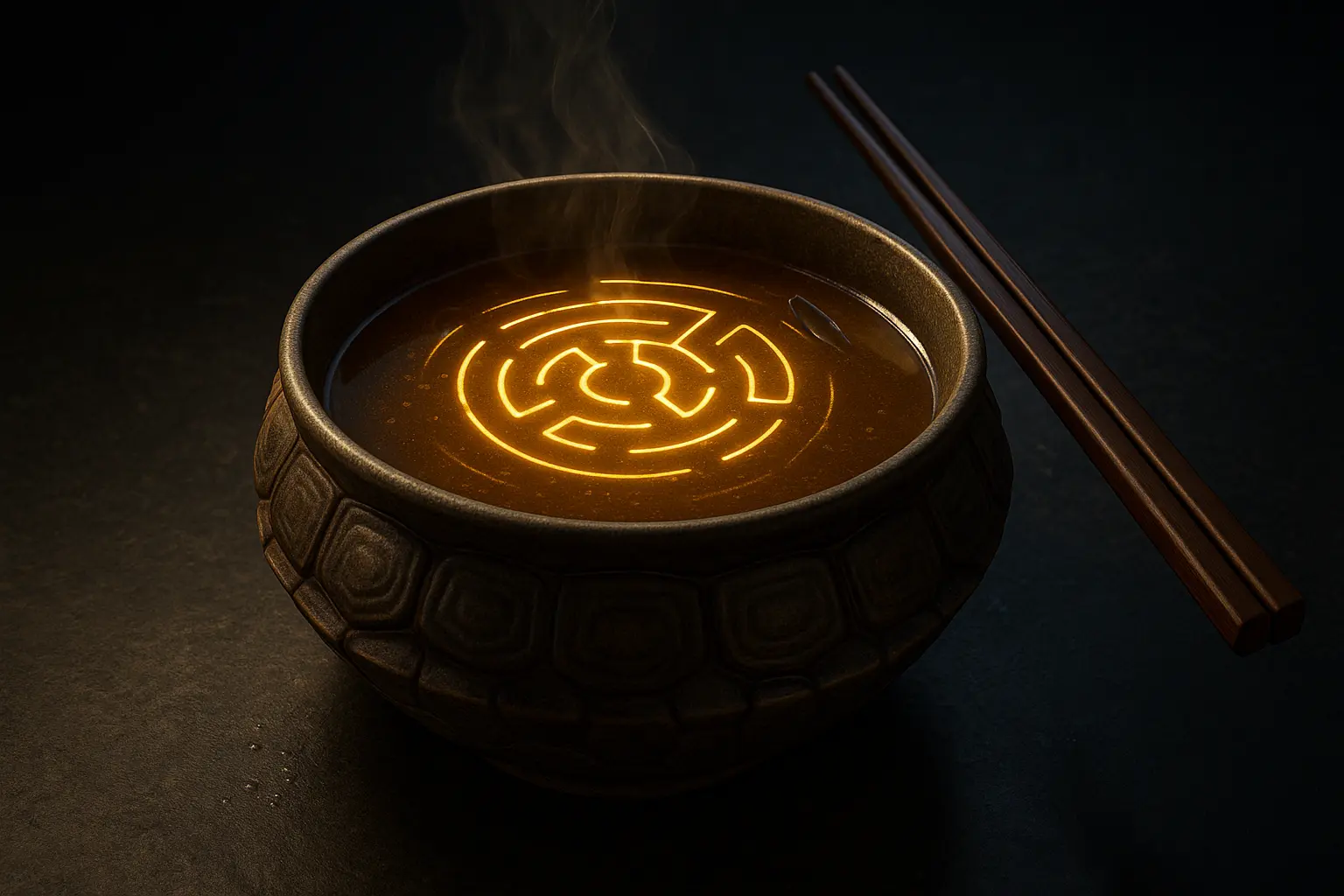
I looked up the history of lateral thinking puzzles. It's only 30 years old.
The whole genre traces back to a 1992 book, a 2004 German card game, and a bowl of soup.
Newsletter
Join the community
Subscribe to our newsletter for the latest news and updates